
|
|
|
|
|
#2
 08-12-2026, 07:27 AM
|
||||
|
||||
|
Quote:
__________________
Genesis does what Nintendon't 
|
|
#4
08-12-2026, 07:24 PM
|
||||
|
||||
|
Quote:
__________________
Genesis does what Nintendon't
|
|
#5
08-13-2026, 12:44 PM
|
||||
|
||||
|
Quote:
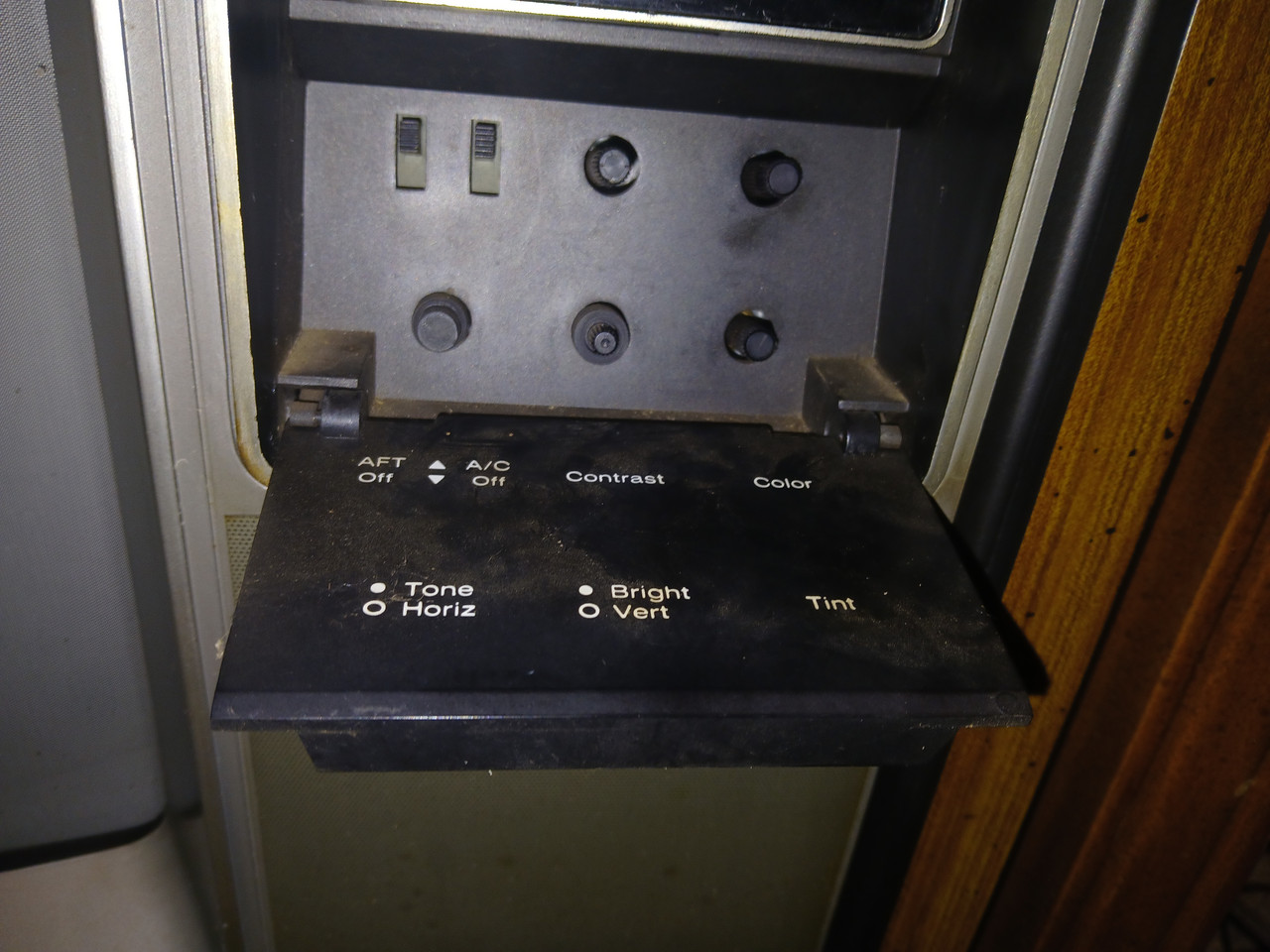
If you can rule out that the control as a problem, then you can focus on other things. Assuming the control is okay, then my next step would be to check from the chroma signal out of the demodulation area. I personally wouldn't attempt it without a schematic though There are other guys on this forum who might be able to point you at some part to check after that or not, but it's going to get increasingly more complex as you rule out low hanging fruit like a bad control
|
| Audiokarma |
|
#6
08-13-2026, 05:05 PM
|
||||
|
||||
|
Quote:
__________________
Genesis does what Nintendon't
|
|
#7
08-13-2026, 07:32 PM
|
||||
|
||||
|
Quote:
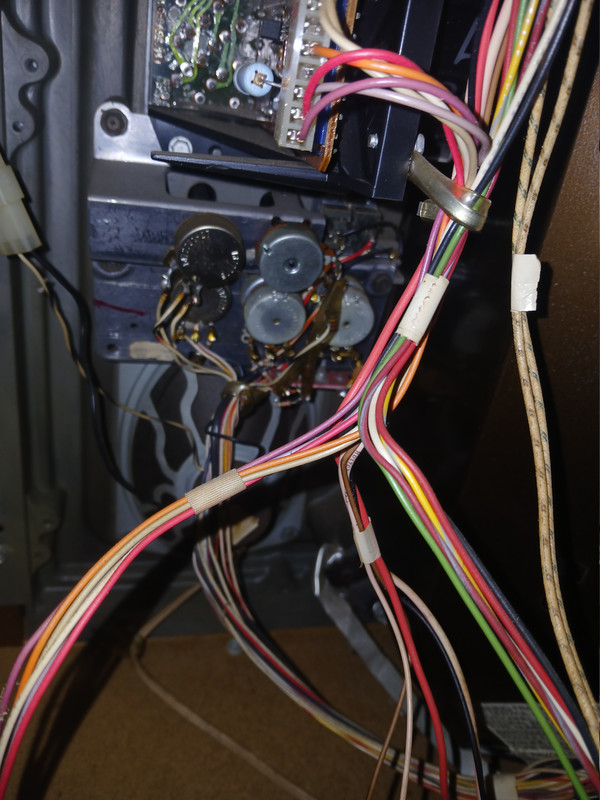
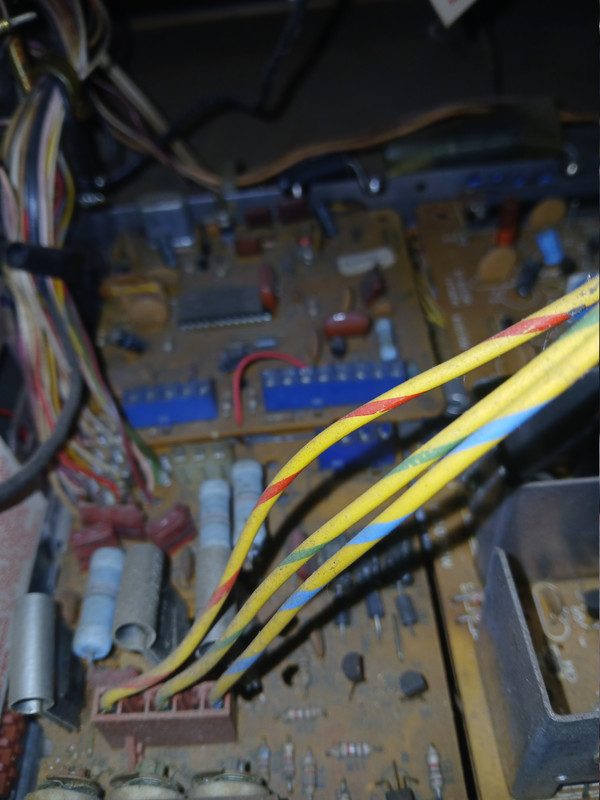
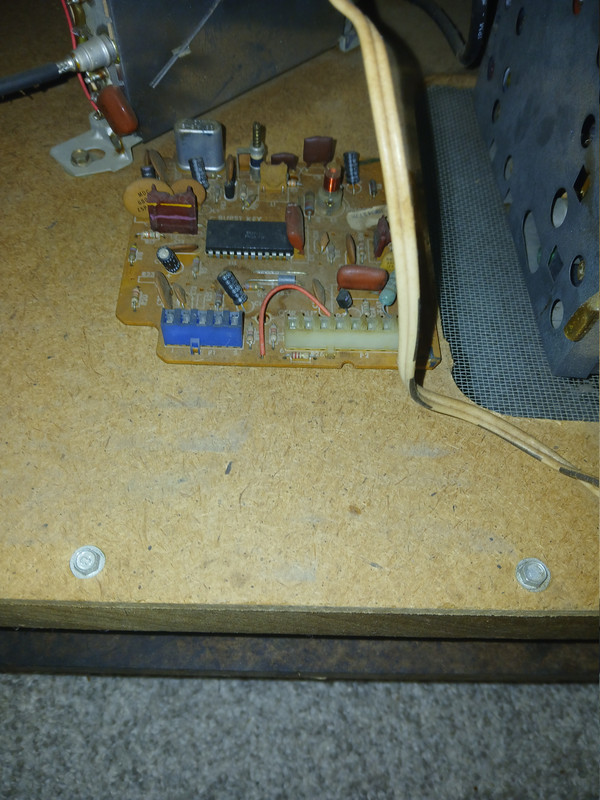
Take you multimeter and measure across the whole pot to see what the resistance is, and then measure between the wiper and either side. find a way to clip the meter leads onto the terminals of the pot and turn the pot from side to side while looking at the meter. You should see the resistance change smoothly from one end of the pot to the other. Based on what you have already said though, I would expect it to be completely shorted, or completely open if there's a problem with it at all. If you can confirm that's it's behaving like a normal pot, then you can pretty much assume it's not broken and move on. Looking at those other pictures, it seems like those old boards might need all the connectors cleaned really well, and the solder joints reflowed on anything that looks bad or is a physical connector. Solder joints tend to fail on parts that are either heavy or take abuse, like connectors that get done and undone, and big heavy parts like the flyback or transformer, or big power resistors. You also want to check things that get hot, especially if they have been darkened or burned. A lot of these kinds of issues will come down to basic stuff like that. Anything more advanced is probably going to require schematics.
|
 |
| Thread Tools | |
| Display Modes | |
|
|


 Hybrid Mode
