
|
|
|
|
|
#1
 06-02-2017, 08:50 PM |
||||
|
||||
|
The image on the CRT looks good, although it's a little hard to judge when peering in at such an angle. Of course, the smaller the CRT, the sharper things look, too. If I remove the side plates from the optics box, I should be able to inspect the mirrors more closely.
On another note, has anyone ever seen patent documents for the Norelco Protelgram unit? I assume it was patented somewhere, although a quick search of US patents didn't turn up anything. Phil Nelson Phil's Old Radios http://antiqueradio.org/index.html 
|
|
#2
06-25-2018, 10:01 PM
|
||||
|
||||
|
Quote:
|
|
#4
07-03-2018, 04:19 PM
|
||||
|
||||
|
Thanks, that does look like the tube base. The Phillips 3NP4 data sheet is at:
https://frank.pocnet.net/sheets/201/3/3NP4.pdf In an effort to eliminate more variables, I tried injecting video and audio directly at the amplifiers, bypassing the tuner and IF stages. The results were good, so I wired in cables and made a little junction box where I can plug in A/V cables from a DVD player, etc. 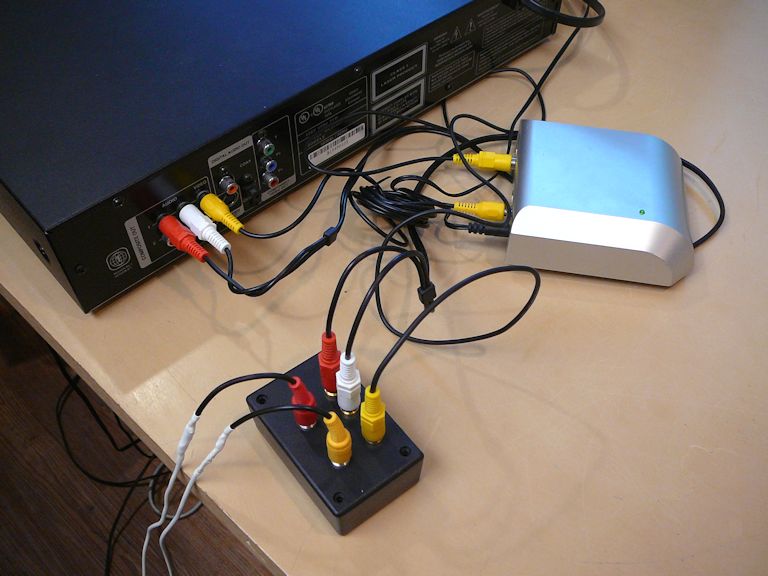 The picture looks better than before, and the audio is outstanding: 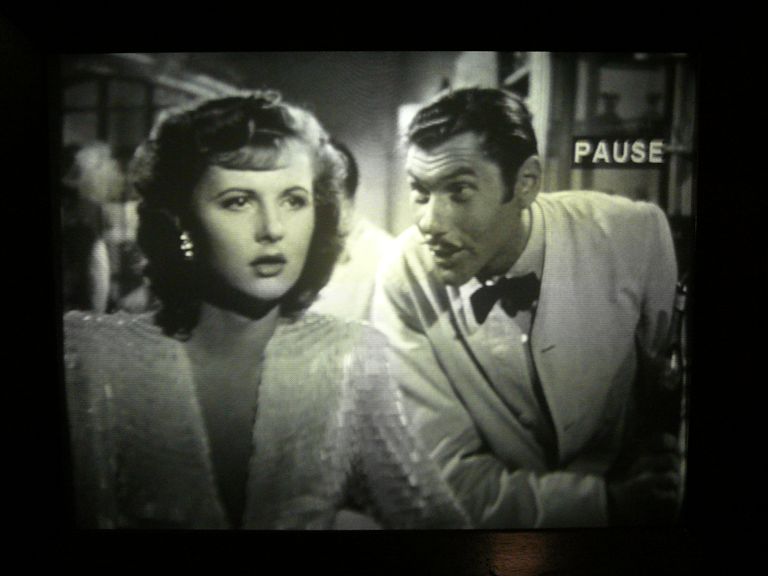 More details in my article at: https://antiqueradio.org/Emerson609P....htm#Injection The screen geometry is approaching normal. The picture is still somewhat off-center horizontally, a condition I hope to cure by raising the optical box using its bottom "tilt" adjusters. Phil Nelson Phil's Old Radios https://antiqueradio.org/index.html
|
 |
| Thread Tools | |
| Display Modes | |
|
|


 Hybrid Mode

